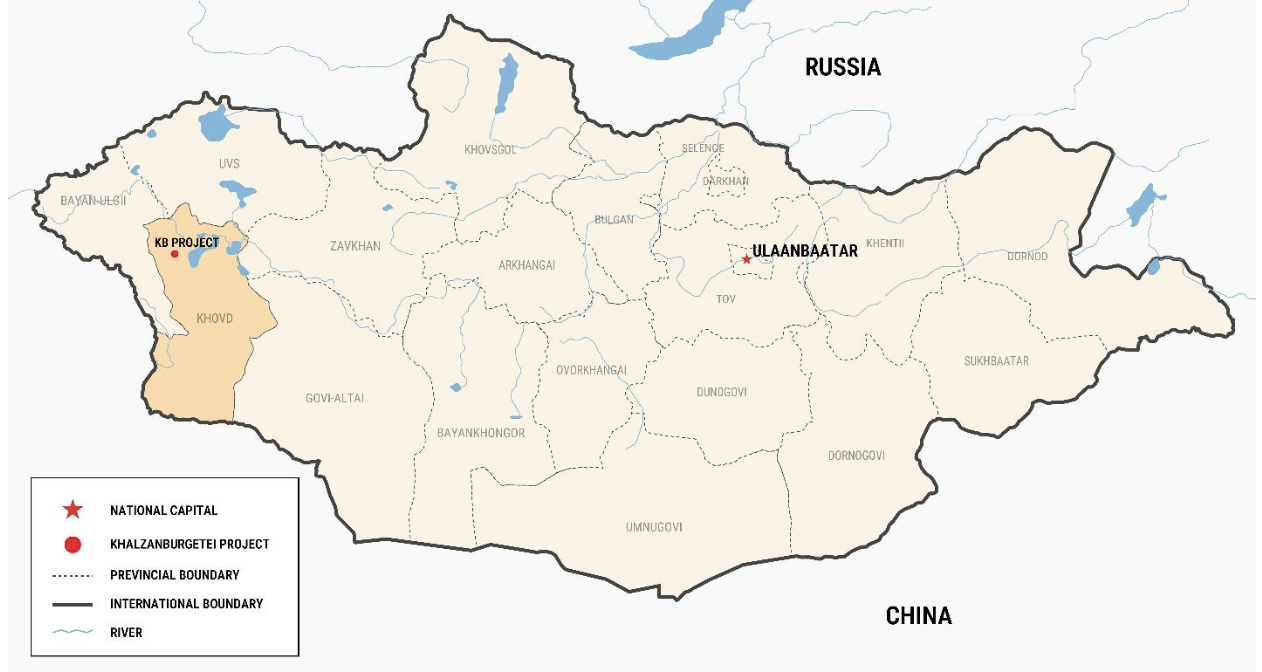
Rare Earth Elements (REE) play a critical role in high-tech manufacturing and the global transition to green energy. In Mongolia, there are a total of 6 deposits, 80 occurrences, and approximately 300 mineralized points, with an estimated total of 3.1 million tonnes of Total Rare Earth Oxides (TREO).
Among these, the Halzan Buregtei deposit is the largest, containing approximately 50% of Mongolia’s total REE resources, and is potentially one of the few active sources of Heavy Rare Earth Elements (HREE) globally, including dysprosium (Dy) and terbium (Tb).
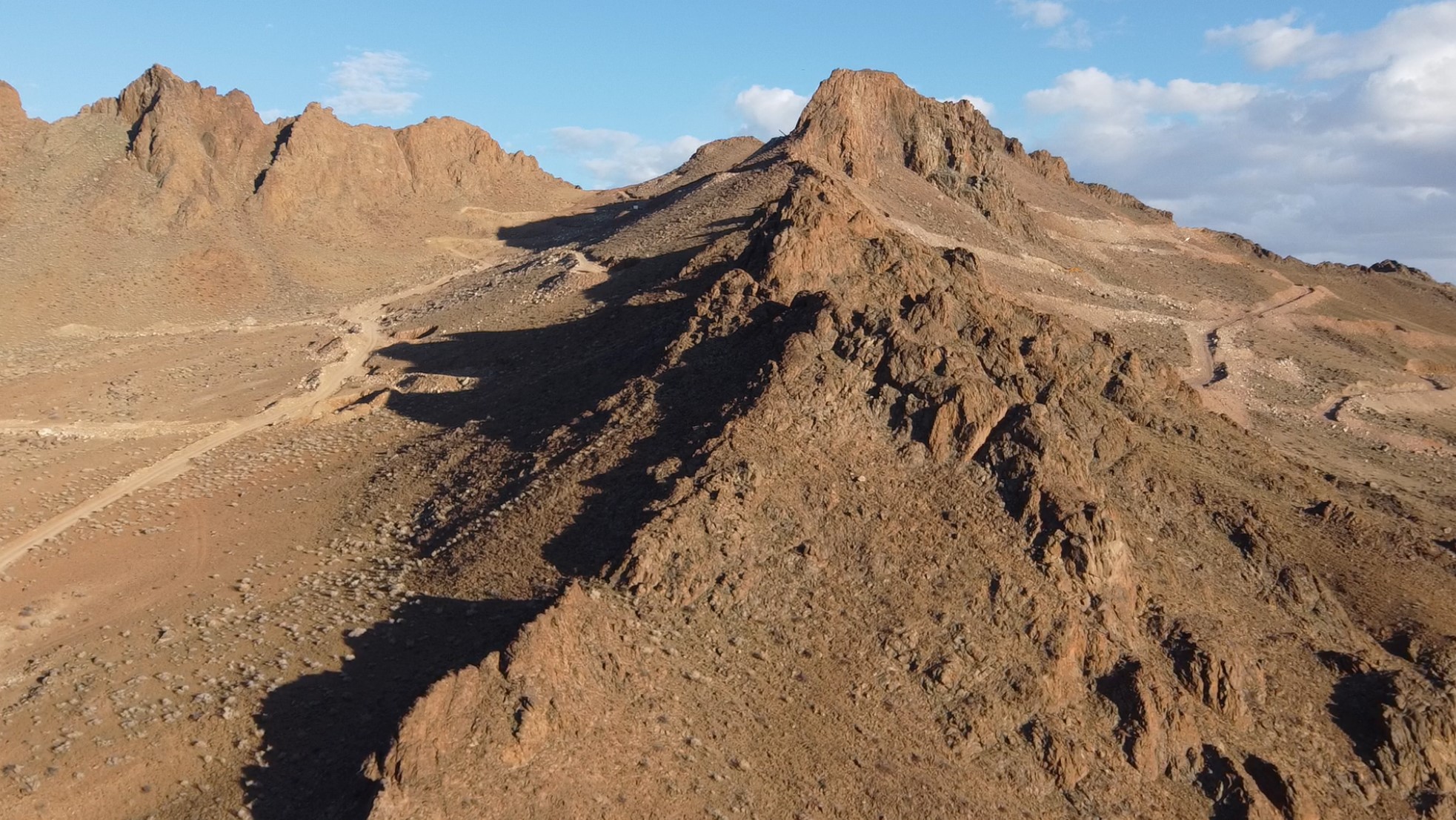
The REE mineralization at Halzan Buregtei was first identified in 1984 by a joint Russian-Mongolian research team. The deposit is classified as an alkaline granite-type REE deposit, with the western part composed of mineralized nordmarkite and the eastern part mainly of alkaline granite. The strongest mineralization occurs in a roughly 500-meter-diameter circular body of alkaline granite, located at the boundary between these two geological units.
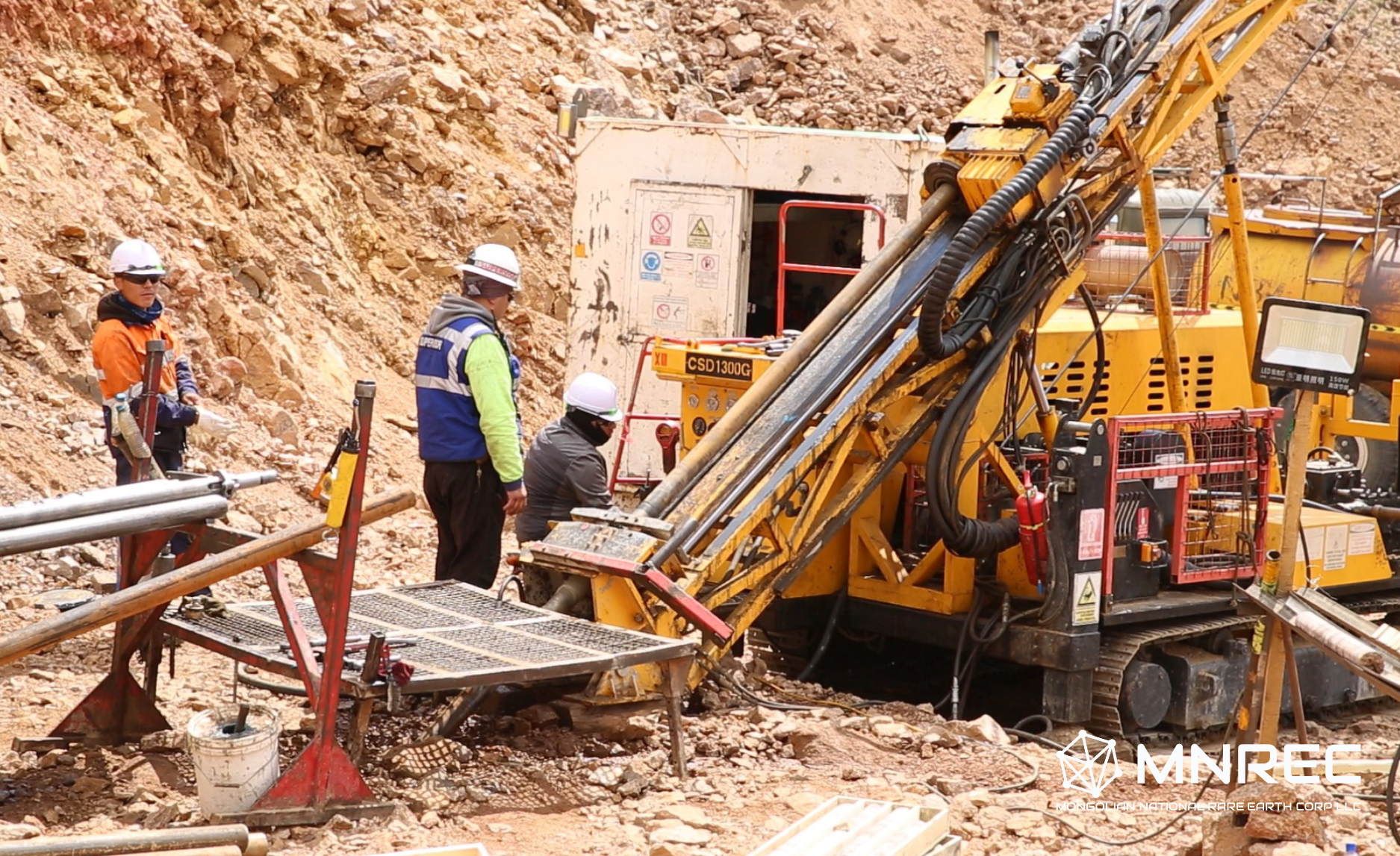
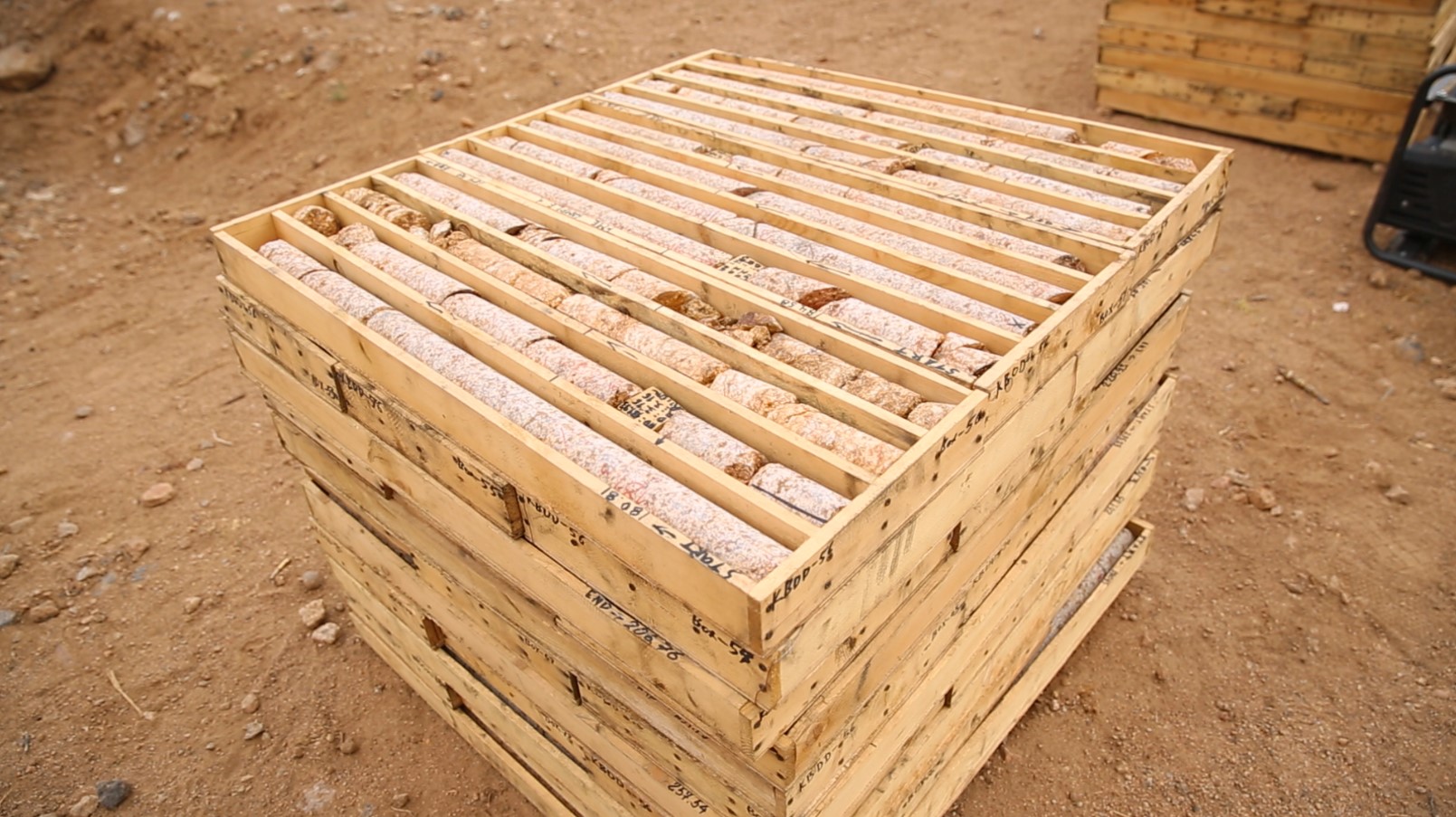
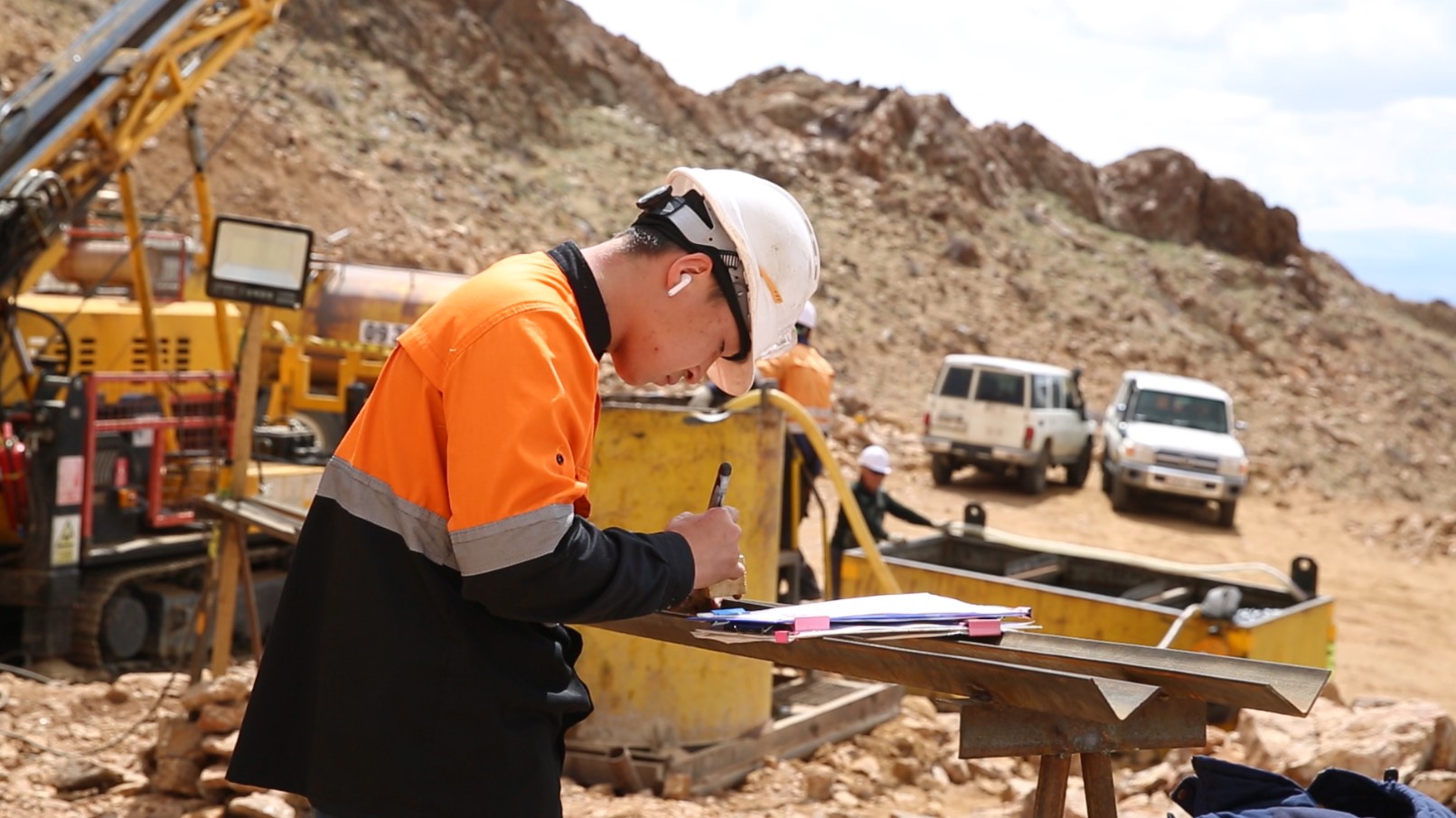
Detailed exploration drilling has shown that the alkaline granite extends to a depth of approximately 200 meters below the surface. The mineralization consists of very fine-grained, disseminated REE-bearing minerals, primarily bastnäsite and synchysite, as well as zircon and other zircon-bearing silicate minerals.
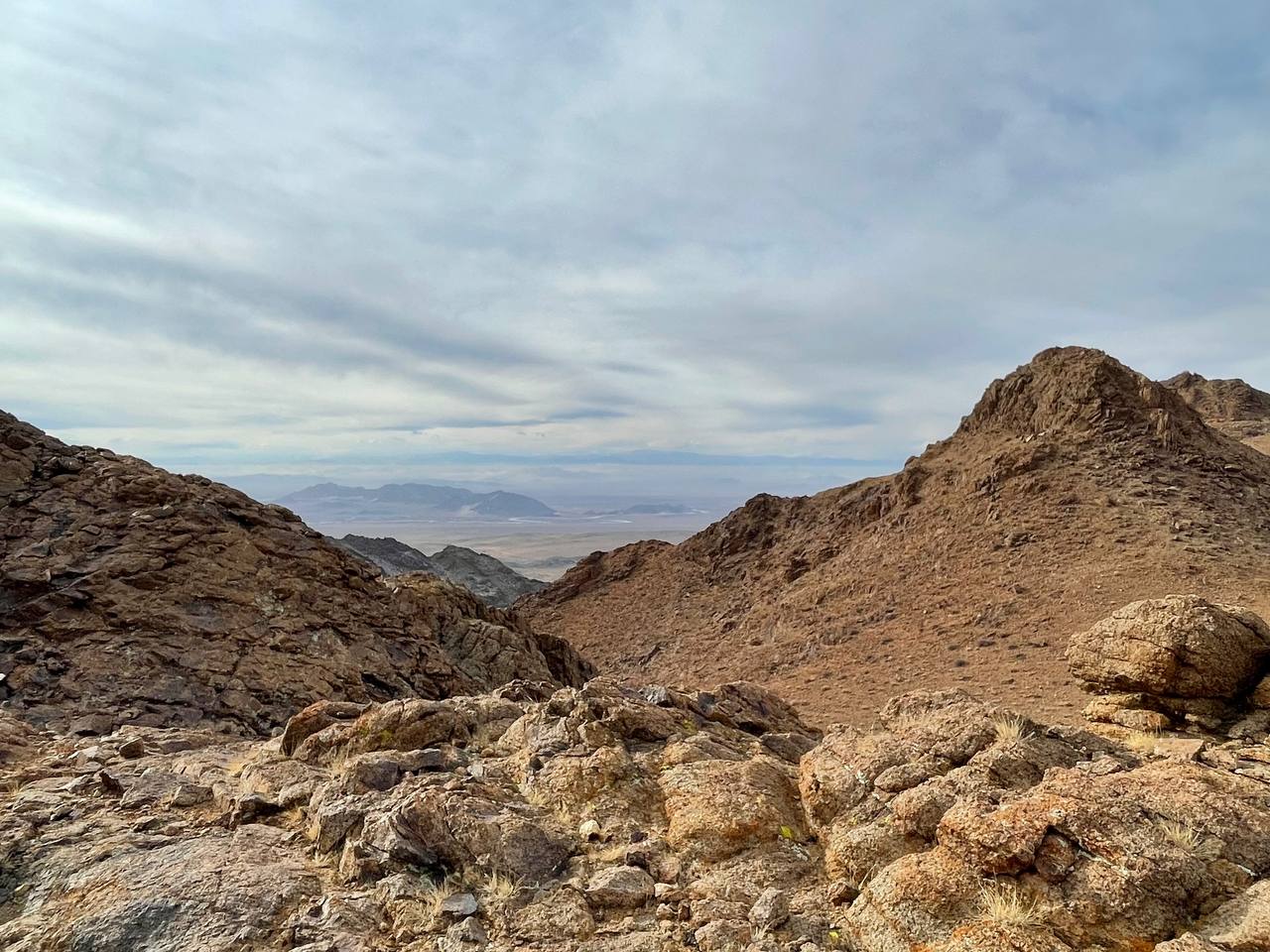
The ore is not visually apparent, and the main ore contains both light and heavy rare earth elements (LREE and HREE). REE concentrations are high within the alkaline granite and nordmarkite, while the HREE/LREE ratio decreases outward from the center of the granite and with depth.
Based on exploration results and laboratory analyses, the deposit has been divided into zones of high, medium, and low REE content. Alkaline granite represents a relatively new source of REE, typically of lower grade but notable for its large ore bodies.